

THANK YOU FOR SUBSCRIBING


Logistics Tech Outlook Weekly Brief
Be first to read the latest tech news, Industry Leader's Insights, and CIO interviews of medium and large enterprises exclusively from Logistics Tech Outlook

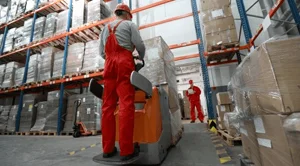 One of the vital advantages of material handling automation is that it helps in labor management during the manufacturing process.
Stay ahead of the industry with exclusive feature stories on the top companies, expert insights and the latest news delivered straight to your inbox. Subscribe today.
FREMONT, CA: While under relentless pressure, manufacturers strive to finish projects as quickly and efficiently as possible without compromising quality. Material handling automation can assist them in completing their tasks more quickly and more efficiently than they otherwise would. See why every manufacturer materials handling automation in their facility.
Better Labor Management
One of the essential advantages of material handling automation is that it helps in labor management during the manufacturing process. Shifting materials from storage to a job site, for instance, is not a high-value activity. With the use of SDVs, one may accomplish this and assign the worker to higher-value jobs that require human attention and effort. Facilities can also cut down on the amount of personnel they require on the project. Furthermore, workers can do the work in a shorter period while saving money on labor. Similarly, automated material handling can be adopted in different stages of the production process.
[vendor_logo_first]
Better Connected Facility
Material handling automation also makes it simpler to connect the entire factory. One may connect a lot of automated machines and manage the functions more precisely thanks to technology. It will be simple to send and receive data and handle future actions once all of the automation is connected. In this way, not only will all departments be able to achieve their deadlines, but they will also be able to make adjustments if one sector is divined to be late.
Flexibility
Another benefit of material handling automation is the adaptability it provides in the manufacturing process. Facilities may be as flexible as they want on having access to a large amount of data that can help predict outcomes. For example, if one needs to supply some goods but is unsure when the production team will need them, they may use the data to determine the exact time and location required. This allows to organize many teams and save time and effort that would otherwise be spent obtaining materials.
See Also: Top Telecom Companies
More in News
